
Book An Appointment
Scheduling consultation is first step toward achieving your health and wellness goals with the best support
Home / Laparoscopy
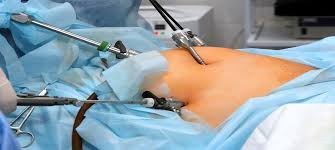

Bariatric surgery is a weight-loss surgical procedure designed for individuals suffering from obesity and obesity-related health conditions. It helps in significant and sustained weight loss by altering the digestive system, reducing food intake, and improving metabolism. Bariatric surgery also helps control conditions such as diabetes, high blood pressure, sleep apnea, and joint pain, leading to a healthier and improved quality of life.
Bariatric surgery is commonly performed using minimally invasive laparoscopic techniques. The procedure works by restricting the amount of food the stomach can hold and/or altering nutrient absorption. This leads to effective weight loss and long-term improvement in obesity-related medical conditions.
Advantages of Laparoscopic Bariatric Surgery
Sleeve gastrectomy involves removing a large portion of the stomach, leaving a narrow tube or “sleeve.” This reduces hunger and food intake, making it one of the most commonly performed and effective bariatric procedures.
Gastric bypass surgery reduces stomach size and reroutes the digestive tract, limiting calorie absorption. It is especially beneficial for patients with severe obesity and uncontrolled diabetes.