Book An Appointment
Scheduling consultation is first step toward achieving your health and wellness goals with the best support
Home / Anorectal
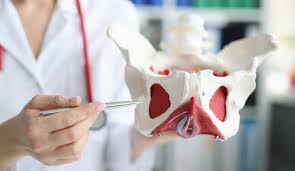
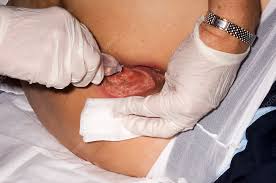
Pelvic organ prolapse occurs when the muscles and ligaments supporting the pelvic organs weaken, causing the bladder, uterus, or rectum to descend into the vaginal canal. This condition can lead to discomfort, urinary or bowel problems, and a feeling of pressure in the pelvic region. Early treatment improves quality of life and prevents complications.
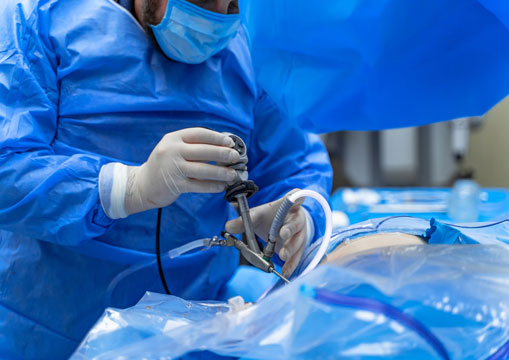
Pelvic organ prolapse surgery involves repositioning the affected organs and reinforcing weakened pelvic muscles, often with the use of minimally invasive laparoscopic techniques. This provides lasting results with less pain, shorter recovery, and improved pelvic function.
Advantages of Surgery
Common symptoms include a feeling of heaviness or pressure in the pelvic region, bulging in the vagina, urinary or bowel difficulties, backache, and discomfort during physical activity.