Book An Appointment
Scheduling consultation is first step toward achieving your health and wellness goals with the best support
Home / Gynecology
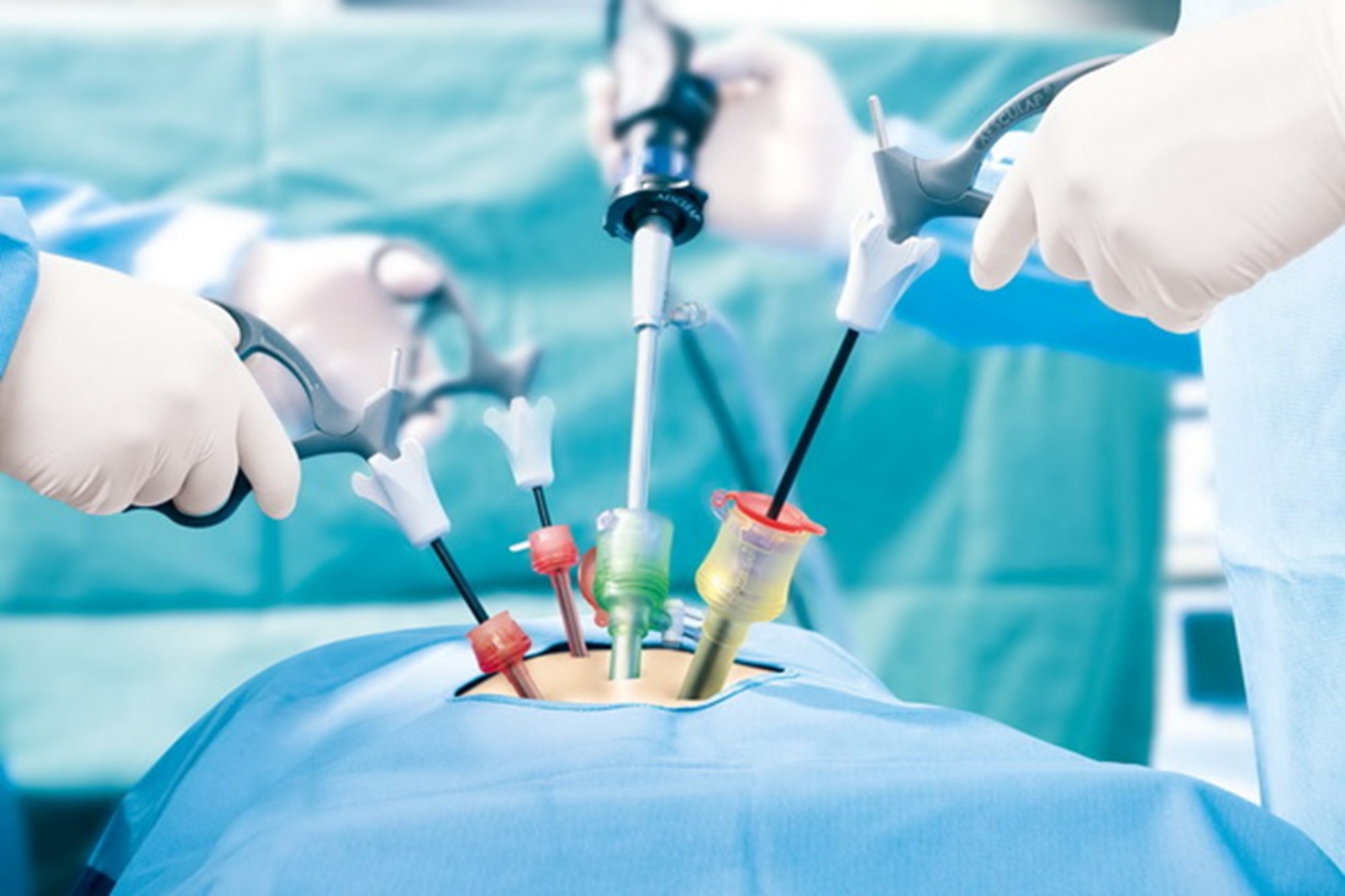

Two minimally invasive surgical techniques used to diagnose and treat a variety of gynecological disorders are laparoscopy and hysteroscopy. They make it possible for medical professionals to inspect and operate on reproductive organs without making big incisions, which can lead to fewer difficulties, shorter recovery times, and less scarring.
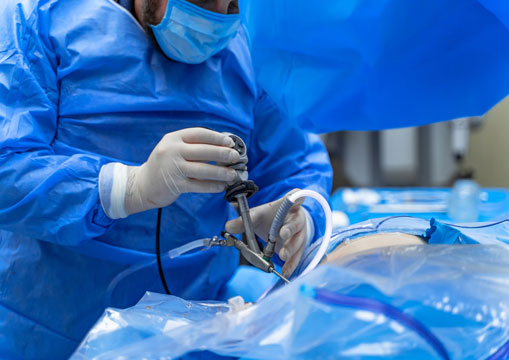
Laparoscopy: Laparoscopy allows doctors to examine organs inside the abdomen, especially reproductive organs like the ovaries, fallopian tubes, and uterus.
Procedure: A laparoscope, a thin tube with a camera and light, is inserted through a small incision near the navel. Carbon dioxide gas is often used to gently inflate the abdomen for better visibility.
Hysteroscopy: Hysteroscopy is used to diagnose and treat uterine disorders by inspecting the inside of the uterus.
Procedure: A thin, illuminated tube called a hysteroscope is inserted through the cervix and vagina. No external incisions are needed, allowing immediate visualization of the uterine cavity.
Both procedures offer faster recovery, minimal pain, precise diagnosis, and effective treatment with reduced risk of complications.