
Book An Appointment
Scheduling consultation is first step toward achieving your health and wellness goals with the best support
Home / Anorectal

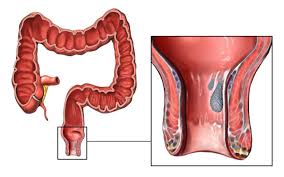
Rectal prolapse is a condition in which the rectum slips down and protrudes through the anus. It commonly affects elderly individuals and people with chronic constipation or weak pelvic muscles. Rectal prolapse can cause discomfort, bleeding, mucus discharge, and difficulty controlling bowel movements. Surgical treatment is often required for permanent correction.
Rectal prolapse surgery involves repositioning the rectum and securing it to prevent further prolapse. Minimally invasive laparoscopic techniques are commonly used, offering reduced pain, quicker recovery, and long-lasting results.
Advantages of Laparoscopic Rectal Prolapse Surgery
Common symptoms include a visible bulge from the anus, discomfort during bowel movements, bleeding, mucus discharge, and a feeling of incomplete bowel emptying.