Book An Appointment
Scheduling consultation is first step toward achieving your health and wellness goals with the best support
Home / Laparoscopy
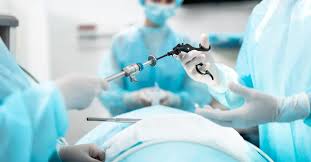
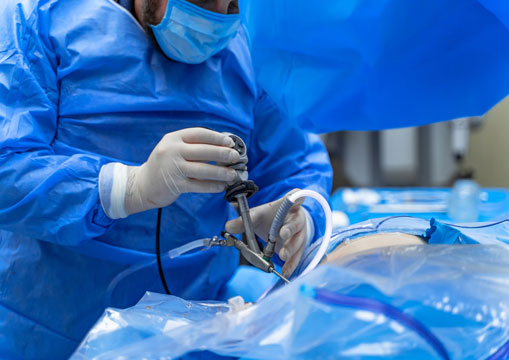
Colectomy, also known as bowel surgery, is a surgical procedure to remove a diseased or damaged portion of the colon (large intestine). It is commonly performed to treat conditions such as colorectal cancer, inflammatory bowel disease, bowel obstruction, diverticular disease, and severe infections. Colectomy helps relieve symptoms, prevent complications, and restore normal bowel function.
Colectomy can be performed using minimally invasive laparoscopic techniques or traditional open surgery, depending on the condition and extent of disease. The procedure involves removing the affected part of the colon and reconnecting the healthy ends, allowing normal bowel function whenever possible.
Advantages of Laparoscopic Colectomy
Colectomy is a primary treatment for colorectal cancer. Surgical removal of the cancerous section of the colon helps prevent disease spread and improves long-term survival when combined with appropriate medical therapy.
Severe or recurrent diverticulitis may require bowel surgery to remove the affected segment of the colon. Surgery helps relieve symptoms and prevents serious complications such as perforation or abscess formation.