
Book An Appointment
Scheduling consultation is first step toward achieving your health and wellness goals with the best support
Home / Gynecology

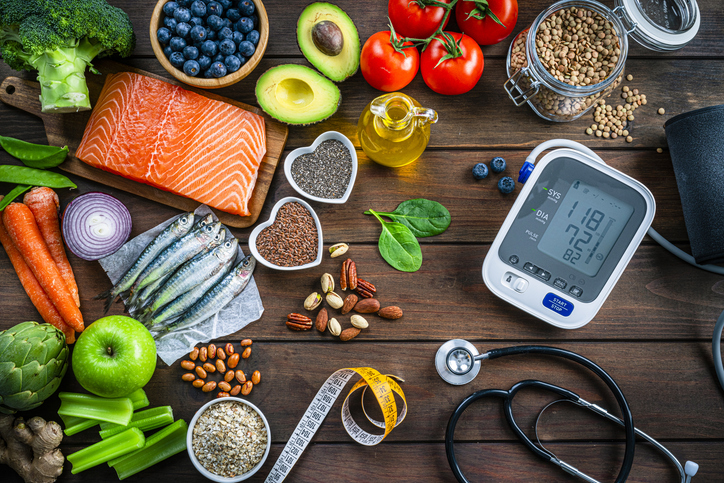
Nutrition and diet play a crucial role in general health, impacting everything from longevity and illness prevention to mood and energy levels. Consuming a balanced diet that offers the essential vitamins, minerals, and nutrients for optimum performance is crucial.
Eat Diverse Foods: Eating a variety of foods helps guarantee a range of nutrients. Whole grains, lean meats, healthy fats, and colorful fruits and vegetables all offer special advantages.
Regulate Portion Sizes: Controlling portion sizes prevents excessive consumption of calories, sweets, or bad fats and aids in maintaining a healthy weight.
Limit Processed Foods: Processed foods can cause weight gain, heart disease, and other health problems since they frequently include excessive amounts of added sugars, harmful fats, and sodium.
Select Whole Grains: Unlike refined grains (such as white rice or white bread), which lose vital components during processing, whole grains (such as oats, quinoa, and brown rice) maintain their fiber and nutrients.
Limit Your Consumption of Sugar and Salt: Consuming too much sugar can cause diabetes and obesity, while consuming too much salt can increase blood pressure.
Mediterranean Diet: The Mediterranean diet emphasizes whole grains, fruits, vegetables, fish, and olive oil, with moderate wine consumption. It is widely known for its heart-healthy benefits.
Plant-Based Diets: These diets range from flexitarian to vegan and focus mainly on plant foods. They are linked to a lower risk of chronic diseases.
Ketogenic Diet: The ketogenic diet is high in fats and low in carbohydrates, helping the body burn fat for energy. It may support weight loss but is not suitable for everyone.
Children: Children need diets rich in proteins, calcium, and iron to support proper growth and development.
Adolescents: Due to rapid growth, adolescents require higher calorie intake along with key nutrients such as calcium and iron.
Adults: Adults should follow a balanced diet that supports weight management and promotes heart and long-term health.
Older Adults: Older adults may need increased calcium, vitamin D, and fiber for better bone health, digestion, and heart function.