Book An Appointment
Scheduling consultation is first step toward achieving your health and wellness goals with the best support
Home / Laparoscopy
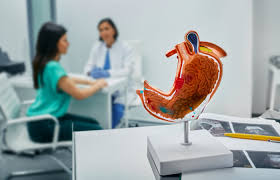
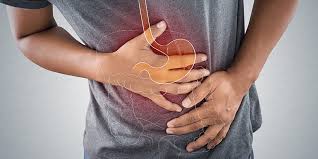
Fundoplication is a surgical procedure used to treat chronic gastroesophageal reflux disease (GERD) and hiatal hernia. GERD occurs when stomach acid frequently flows back into the esophagus, causing heartburn, chest pain, regurgitation, and long-term damage. Fundoplication strengthens the valve between the esophagus and stomach, preventing acid reflux and improving quality of life.
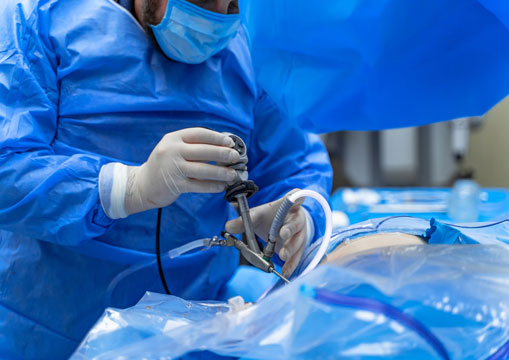
Fundoplication is most commonly performed using a minimally invasive laparoscopic technique. During the procedure, the upper part of the stomach is wrapped around the lower esophagus to strengthen the lower esophageal sphincter. This prevents acid reflux, protects the esophagus, and provides long-term symptom relief.
Advantages of Laparoscopic Fundoplication
GERD is a chronic condition where stomach acid repeatedly flows back into the esophagus, causing heartburn, difficulty swallowing, and chest discomfort. Surgical treatment is recommended when lifestyle changes and medications fail to control symptoms.
A hiatal hernia occurs when part of the stomach moves up into the chest through the diaphragm. Fundoplication combined with hernia repair helps restore normal anatomy and prevents reflux symptoms.