Book An Appointment
Scheduling consultation is first step toward achieving your health and wellness goals with the best support
Home / Laparoscopy
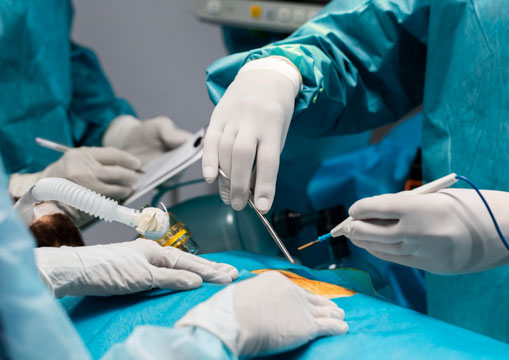
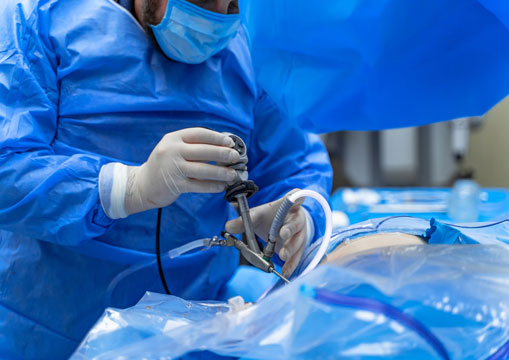
A hernia occurs when an internal organ or tissue pushes through a weak area in the muscle or connective tissue, commonly affecting the abdomen or groin. Hernias can cause pain, swelling, and discomfort, especially during physical activity or lifting. If left untreated, hernias may enlarge and lead to serious complications. Hernia repair is a safe and effective surgical procedure that restores muscle strength and relieves symptoms, improving overall quality of life.
Hernia repair is commonly performed using minimally invasive laparoscopic techniques or open surgery, depending on the type and severity of the hernia. The procedure involves repositioning the protruding tissue and strengthening the weakened muscle area using surgical mesh, ensuring long-lasting results with minimal recurrence.
Advantages of Laparoscopic Hernia Repair
Inguinal hernia is the most common type of hernia and occurs in the groin area. It may cause pain, swelling, or a visible bulge, especially when coughing or lifting. Surgical repair is recommended to prevent complications such as incarceration or strangulation.
Umbilical hernia occurs near the belly button and is common in both adults and children. While small hernias may be monitored, surgical repair is advised for symptomatic or enlarging hernias to avoid complications.