Book An Appointment
Scheduling consultation is first step toward achieving your health and wellness goals with the best support
Home / Laparoscopy
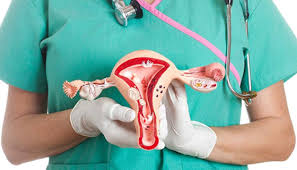
Hysterectomy is a surgical procedure to remove the uterus and is commonly performed to treat various gynecological conditions. It is recommended for issues such as uterine fibroids, abnormal uterine bleeding, endometriosis, uterine prolapse, chronic pelvic pain, and certain cancers. Hysterectomy helps relieve symptoms, improve quality of life, and prevent serious complications.
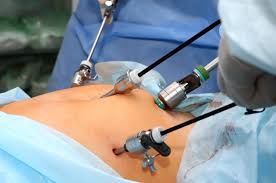
Hysterectomy can be performed using minimally invasive laparoscopic or vaginal techniques, or through open abdominal surgery depending on the condition. The procedure involves removing the uterus and sometimes the cervix, ovaries, or fallopian tubes, ensuring long-term relief from gynecological problems.
Advantages of Laparoscopic Hysterectomy
Uterine fibroids are non-cancerous growths that can cause heavy menstrual bleeding, pelvic pain, and pressure symptoms. Hysterectomy provides a permanent solution when other treatments fail.
Endometriosis occurs when tissue similar to the uterine lining grows outside the uterus, causing severe pain and infertility. Hysterectomy may be recommended in severe cases to relieve symptoms.